This year’s Turner Prize feels different. Nnena Kalu’s historic win as the first neurodivergent, learning-disabled artist to receive the award highlights something we’ve always known, that great art comes from many different kinds of minds. Creativity works when everyone is invited in.
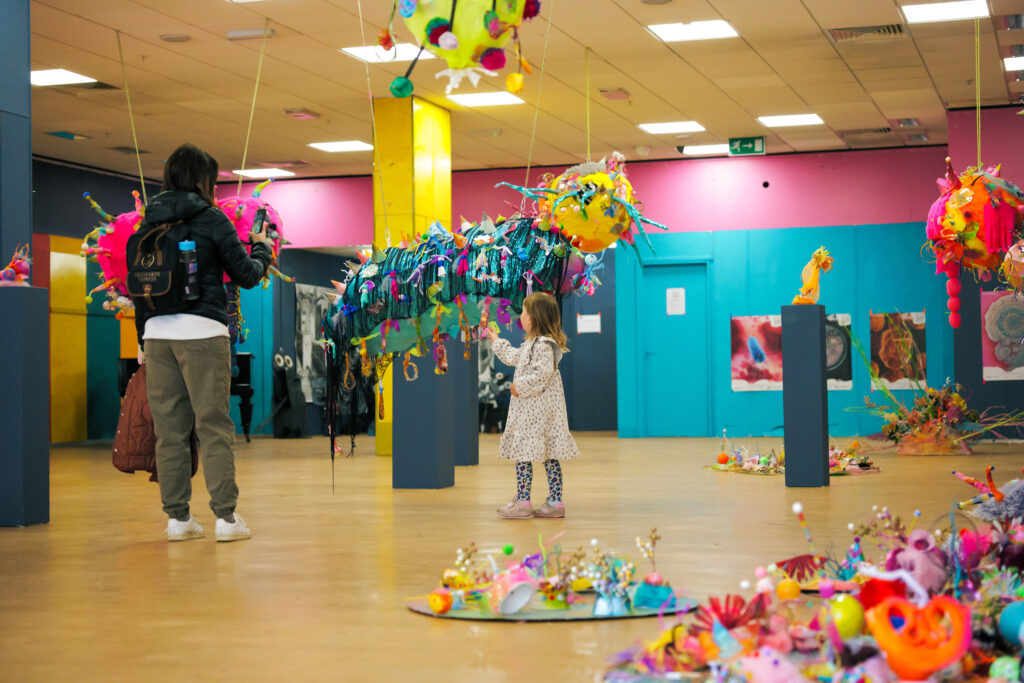
Kalu’s improvised sculptures are built from everyday materials and driven by repetition and touch. They show that art doesn’t need to be conventional to be powerful. Her recognition at the very top “level” challenges the idea that only certain ways of thinking or communicating belong in galleries and prize lists. And this opens the door wider for children and young people who experience the world differently.
In our groups, children aged 2–18 explore materials, ideas and stories in their own way and are valued for the creativity they bring rather than how closely they fit a norm. For children who may struggle with words, with the formality of school or with feeling that they “fit in”, seeing a neurodivergent artist win the Turner Prize sends a powerful message – there is a respected place in the art world for their way of seeing and making.
We’re celebrating this Turner Prize as proof that the kind of art people make when they are given freedom, support and time – messy, process-led, deeply felt – is not “less than” but part of the same conversation happening on the biggest stages. Could community-made artworks win the Turner Prize?